
The Project
ALIEN-OCCICAT : A cross-border network dedicated to non-indigenous marine species in occitanie and catalonia
In the Mediterranean, over 1,000 Non-Indigenous Species were recorded by 2025. While some remain unobtrusive, others, such as the blue crab, have already crossed the threshold into invasiveness, disrupting lagoon ecosystems, traditional fisheries, and even the tourism appeal of coastal areas. Often introduced through human activities or marine currents, these species now represent the second leading global cause of biodiversity loss, just behind habitat destruction.
However, before becoming invasive, these species go through a phase of low density where early detection can make all the difference. This is where the ALIEN-OCCICAT project comes in, by strengthening a cross-border network of exchange and monitoring between Catalonia and Occitanie. Its goal is to anticipate risks and mitigate ecological and socio-economic impacts.
Launched on January 1, 2025, the project will run for 3 years, concluding on January 1, 2028.
The ALIEN-OCCICAT project (EFA 149/03) has a total budget of €1,014,958.06, with €659,717.19 co-financed by the European Regional Development Fund (ERDF). The project is 65% funded by the European Union through the Interreg VI-A Spain-France-Andorra Programme (POCTEFA 2021-2027), which aims to strengthen economic and social integration in the Spain-France-Andorra border area.
For more information, you can consult additional details on the POCTEFA Programme here and the EU’s regional policy here.
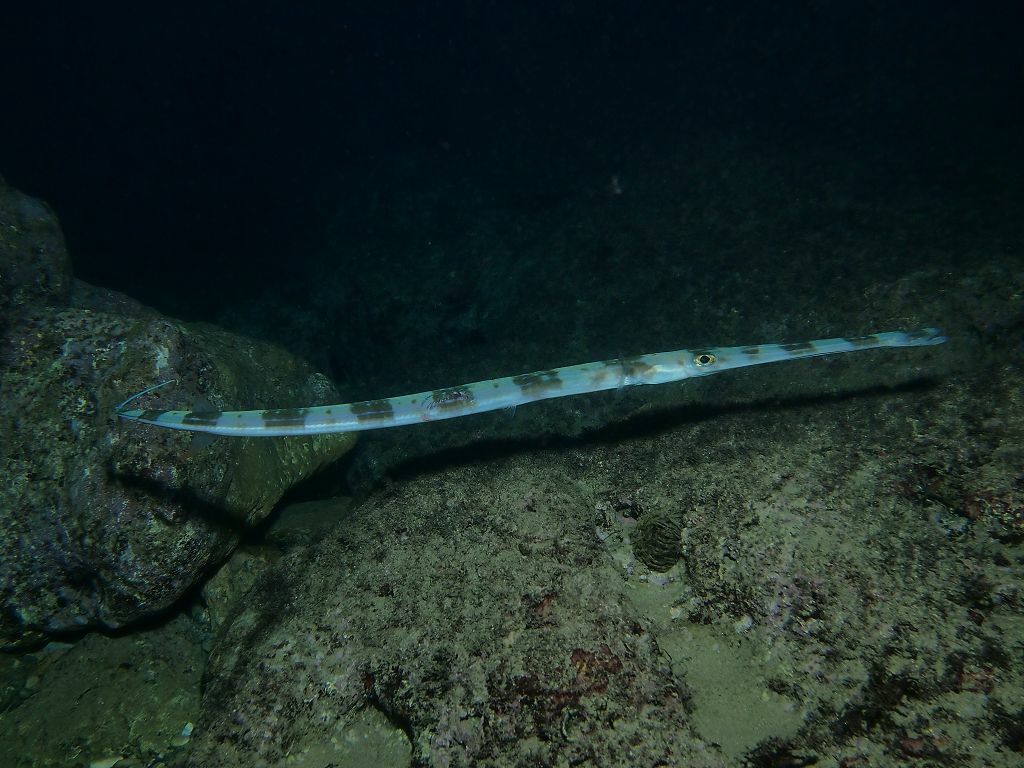
Fistularia commersonii
MINKA © xavi salvador costa CC BY-NC
Objectives
ALIEN-OCCICAT is structured around three major axes:


About us
Our partners : A cross-border collaboration
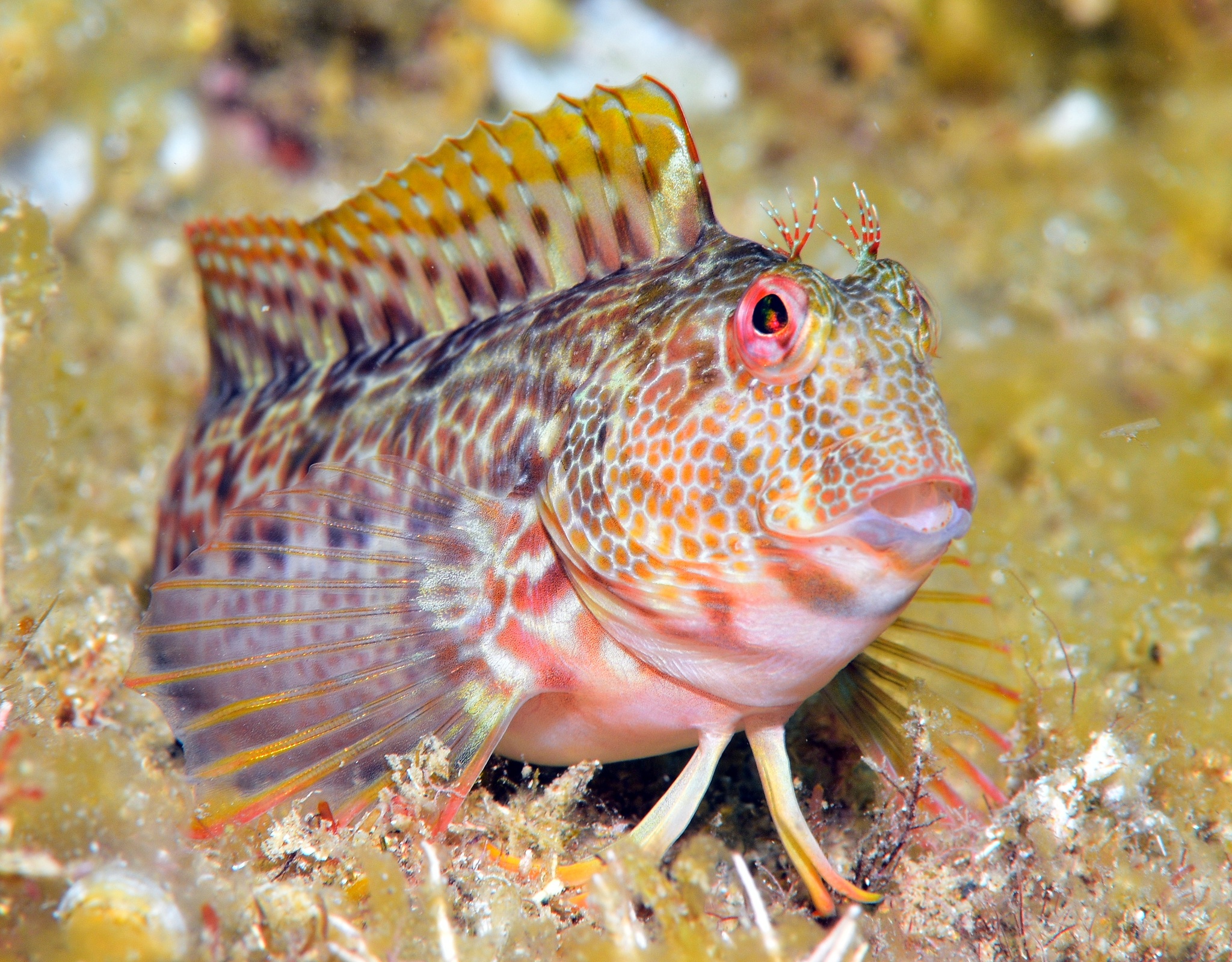
Parablennius pilicornis
MINKA © Antoni Salvà CC BY-NC

CNRS (French National Centre for Scientific Research) – Lead Partner
The LECOB (Laboratory of Ecology of Benthic Environments), based at the Banyuls-sur-Mer Oceanological Observatory (OOB), is responsible for the overall coordination and management of the project. Its teams, along with those from the BIOM (Integrative Biology of Marine Organisms), LOMIC (Microbial Oceanography Laboratory) , Service Mutualisé d’Aquariologie, and the LBBM (Laboratory of Biodiversity and Biotechnologies), conduct scientific monitoring and fieldwork related to Non-Indigenous Species.
The Biodiversarium is in charge of the project’s scientific outreach.

UPVD (University of Perpignan Via Domitia) – Partner
Marion Verdoit-Jarraya and her team study the spatial and seasonal variability of blue crab (Callinectes sapidus) catch yields in the Canet-Saint-Nazaire lagoon, based on biological and environmental parameters. They also contribute to scientific outreach.
CEAB – CSIC (Blanes Centre for Advanced Studies) – Partner
Susana Pinedo’s team conducts monitoring of benthic biodiversity along the Franco-Catalan coasts, providing essential data for detecting new Non-Indigenous Species.
Daniel Martin performs morphological and molecular identifications of target species, as well as the creation of 3D models for taxonomic, educational, and outreach purposes.
ICM-CSIC (Institute of Marine Sciences of Barcelona) – Partner
Teresa Madurell’s team is developing the BioMARathon in Occitanie, a citizen science event already operational in Catalonia, aimed at collecting data on monitored species.
Ramiro Logares’ team analyzes environmental DNA (eDNA) to detect Non-Indigenous Species in the marine environment.
Stakeholders involved in ALIEN-OCCICAT